

We often visit artistic spaces to clear our minds, immerse ourselves in the creations of others, discover their perception of life, or find inspiration. However, there are works that depend on the active participation of the viewer to exist. The art form in which the audience is directly involved in the creative process is known as participatory art.
This term does not originate from a single moment or person. We find its roots in the Futurist and Dadaist performances of the early 20th century, created to provoke and scandalize. Marcel Duchamp famously stated that art depends as much on the onlooker as it does on the artist; this thought emerged to challenge the historical convention that viewed the spectator as a passive subject, limited to contemplating a work already completed by the artist.
In the late 1950s, several artists began performing happenings and performances that took Duchamp's premise to its ultimate expression, solidifying this concept. Below are several works to better understand this art form and the importance of the public as a creative subject.
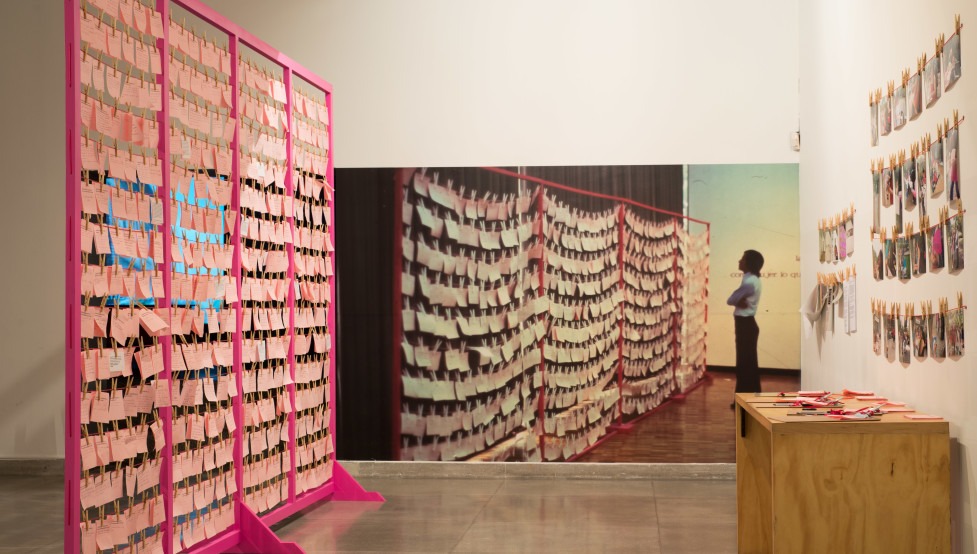
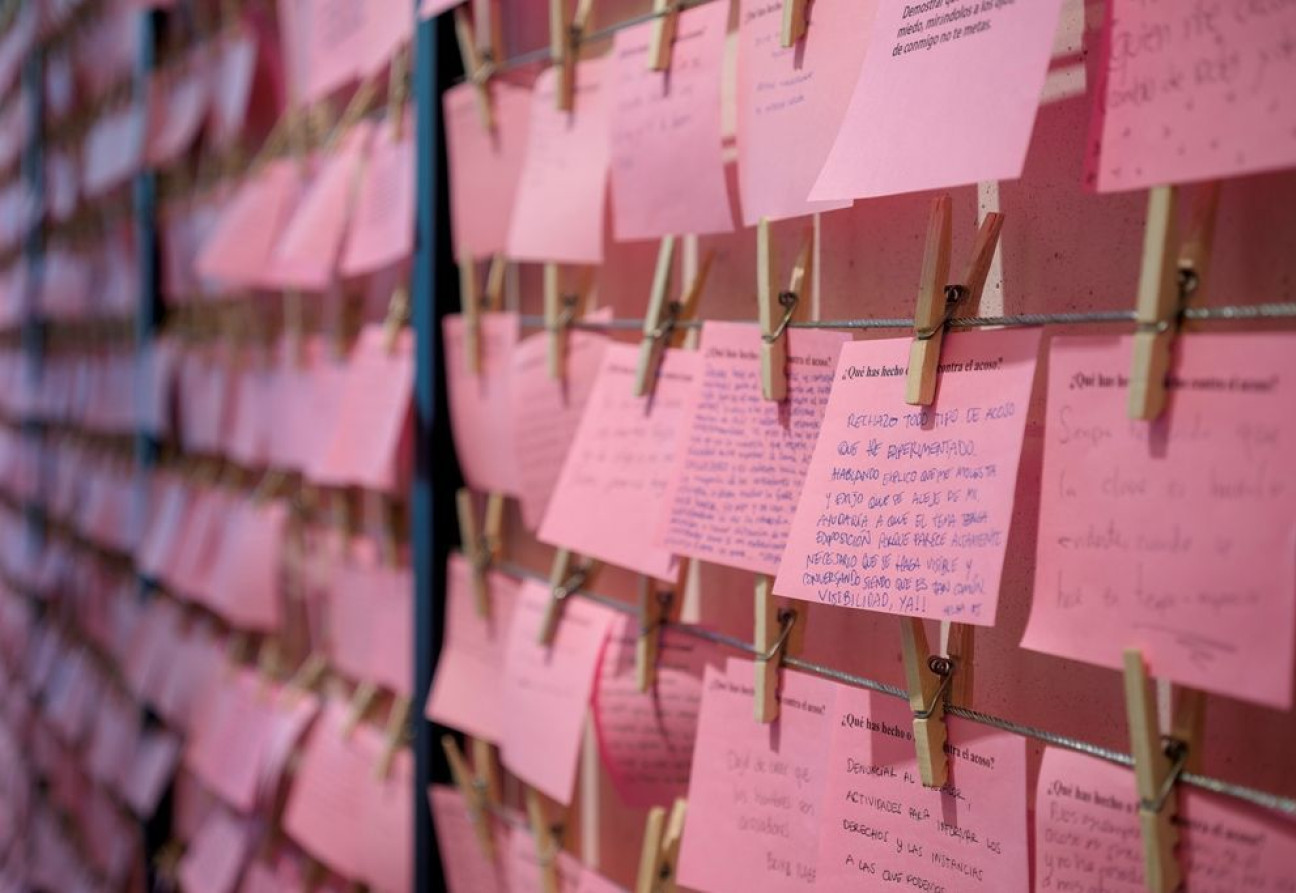
“The Clothesline” (El Tendedero)
In 1978, Mónica Mayer—one of the first artists to take a stance on feminism in Mexico—invited 800 women to complete the sentence: 'As a woman, what I dislike most about the city is...' on pieces of pink paper. Each response was placed on a structure resembling a clothesline, a reference to a daily chore traditionally associated with women. As women participated, the piece began to gain meaning, building a collective narrative of expression that opened a dialogue about the violence women experience in public spaces. The impact of this work has led to its reactivation on multiple occasions and in different locations, using 'trigger phrases' related to various feminist issues.
“Divisor” (Divider)
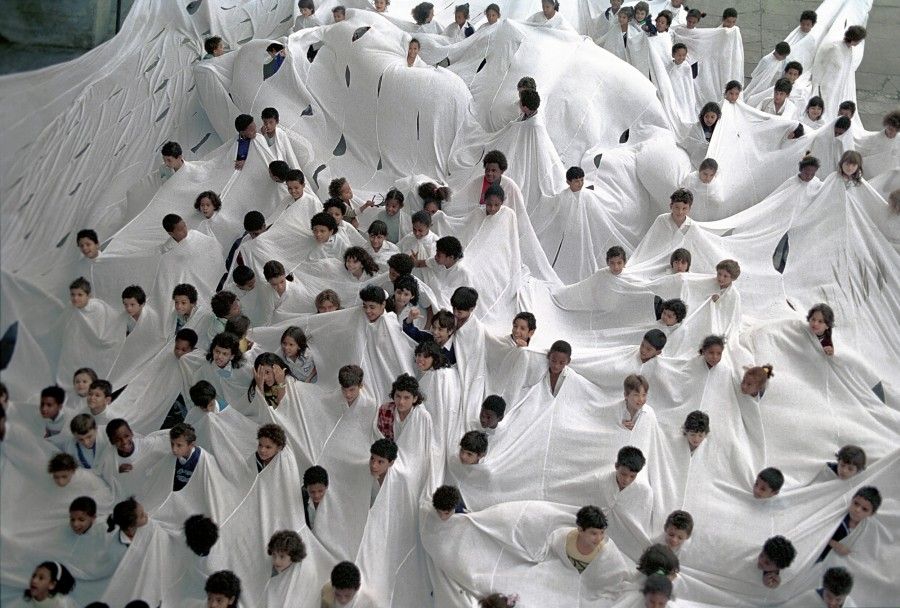
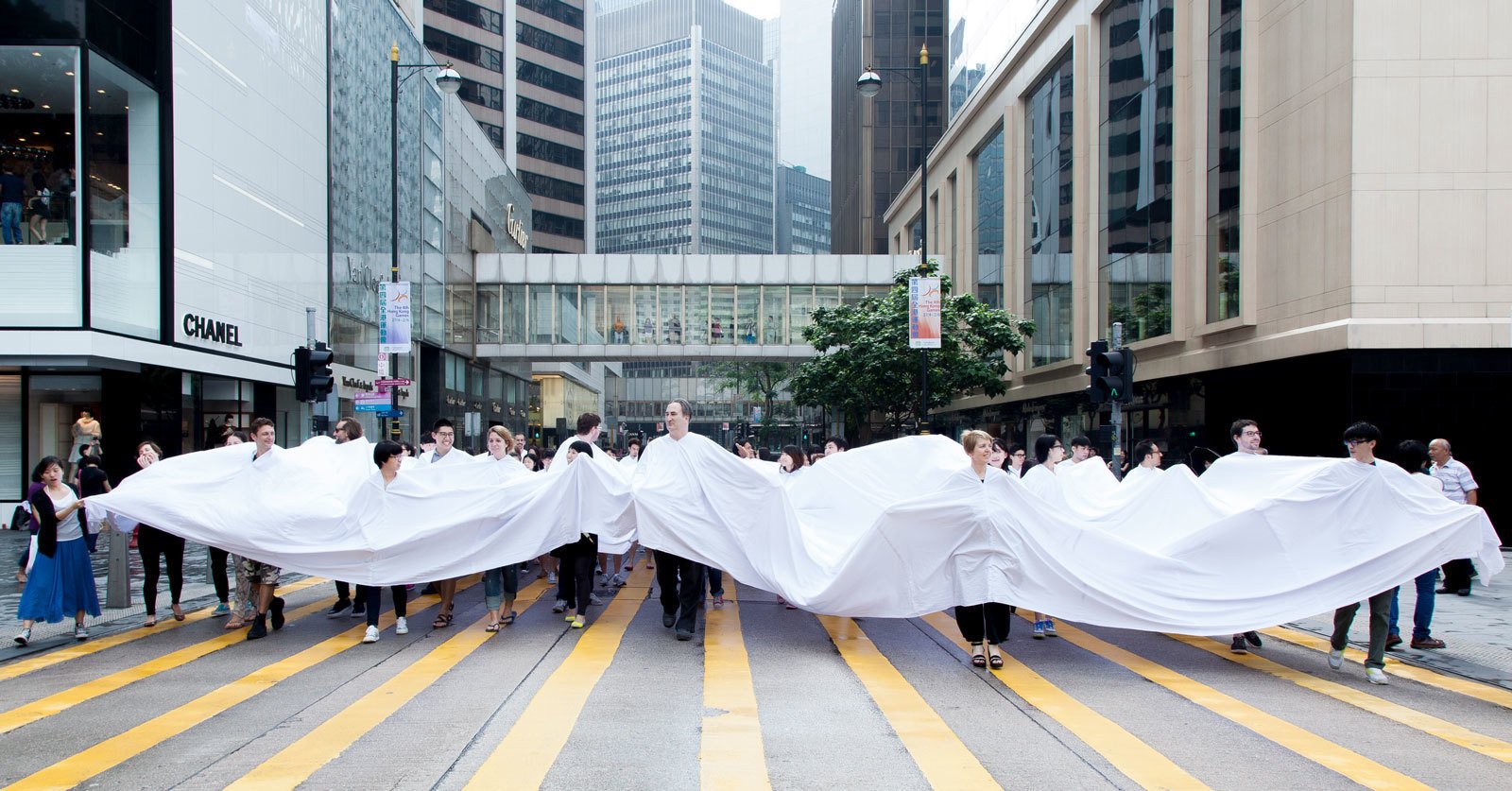
In her quest to encourage joint creation and the exercise of creative freedom, Lygia Pape created Divisor, first presented at the Museum of Modern Art in Rio de Janeiro in 1968. In this work, viewer participation is essential to the final outcome. It consists of an enormous white fabric with multiple holes through which the public pokes their heads. Due to its scale, it must be performed in an open space. The result is always unexpected and undefined, as it depends on the height, build, and even the actions of those who 'inhabit' it. It is a key project that highlights what can only be built collectively—just as it happens in society.
“Measuring the Universe”
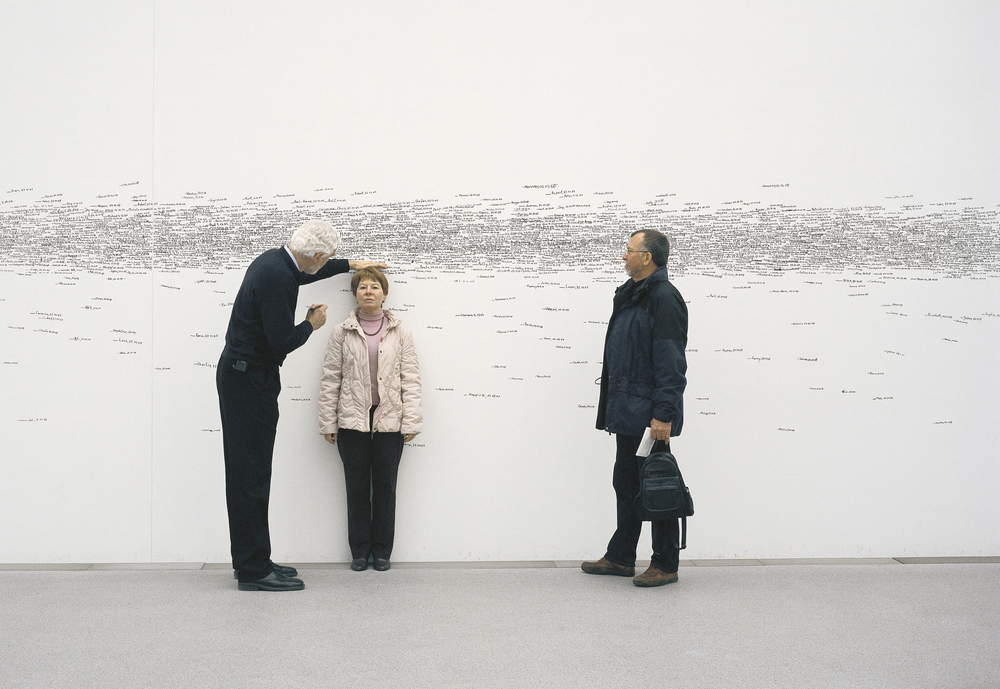
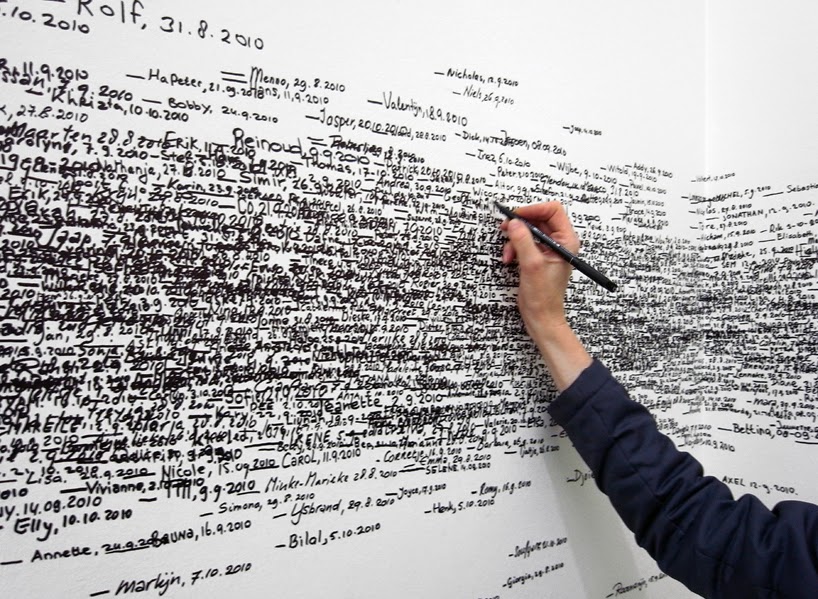
An installation emerges in a completely white and empty space that would have no meaning without the active participation of the people. In 2007, Roman Ondak created this work based on the custom of parents measuring their children’s height. Upon entering the room, visitors are invited to lean against the wall for someone to mark their height and label it with their name and the date of their visit; the artist himself was the first to be measured. In this way, after nearly three months, a thick and uneven band was formed, encircling the gallery walls. These marks indicate the passage of time and explore the idea of what it would be like to try to measure the universe through the people who compose it.
“Yard”
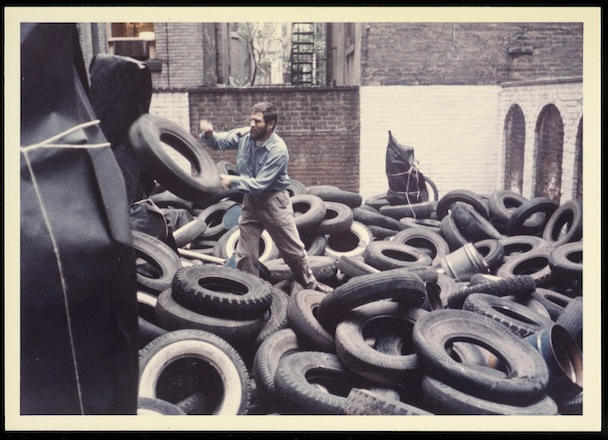
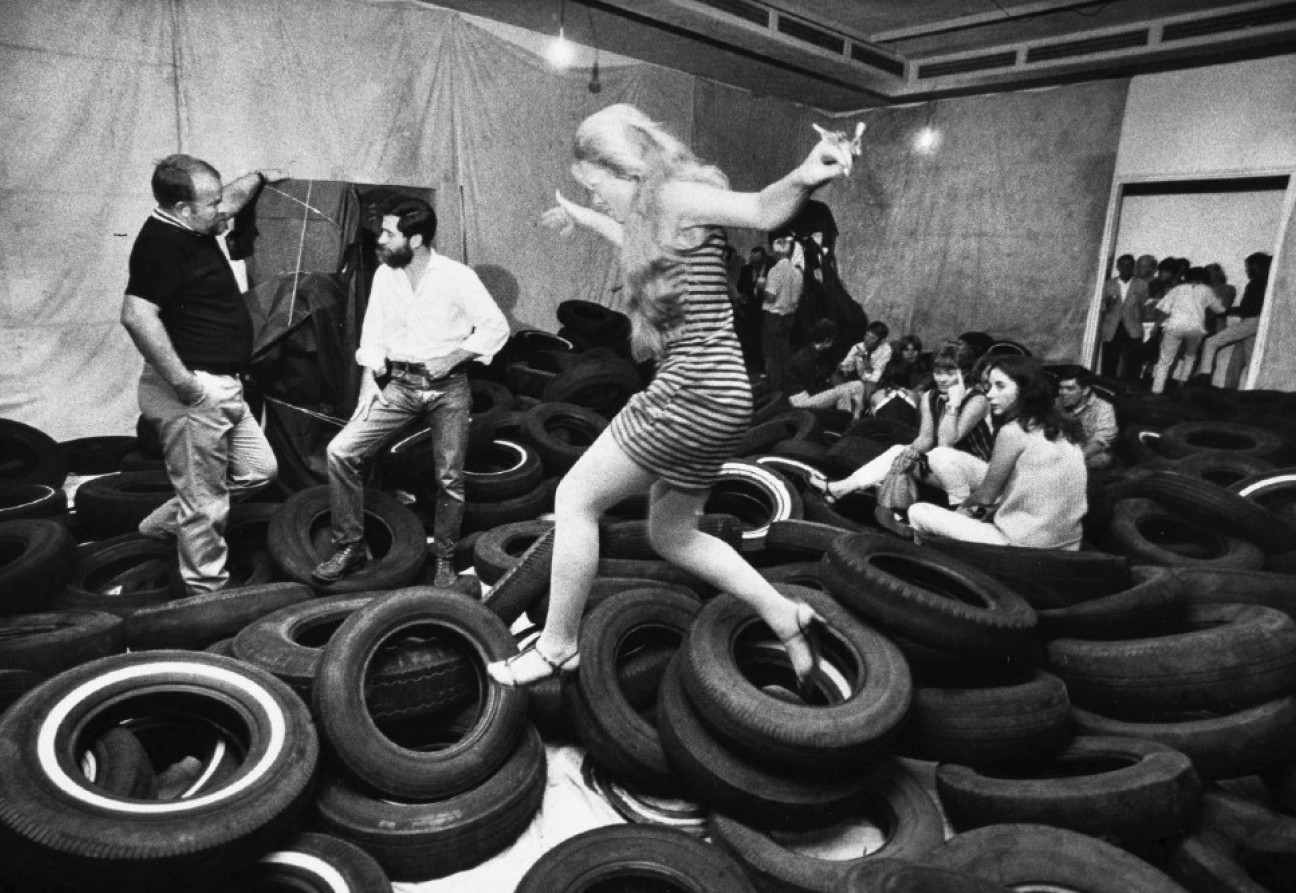
Daily life as the primary subject of art is what motivated Allan Kaprow to create this work in 1961, though he preferred to call it an 'activity.' Originally presented in the sculpture garden of the Martha Jackson Gallery in New York, he had to cover the existing sculpture collection with tar paperThe piece consisted of filling a space with hundreds of car tires, scattered in no particular order. Kaprow invited visitors to walk over them, interact, and rearrange them freely. At the time, this was the polar opposite of the traditional belief that art should be fixed and permanent. Yard has been recreated several times across Europe and the Americas, adapting to the specific spaces where it is presented.
“Soft Architecture” (Arquitectura Blanda)
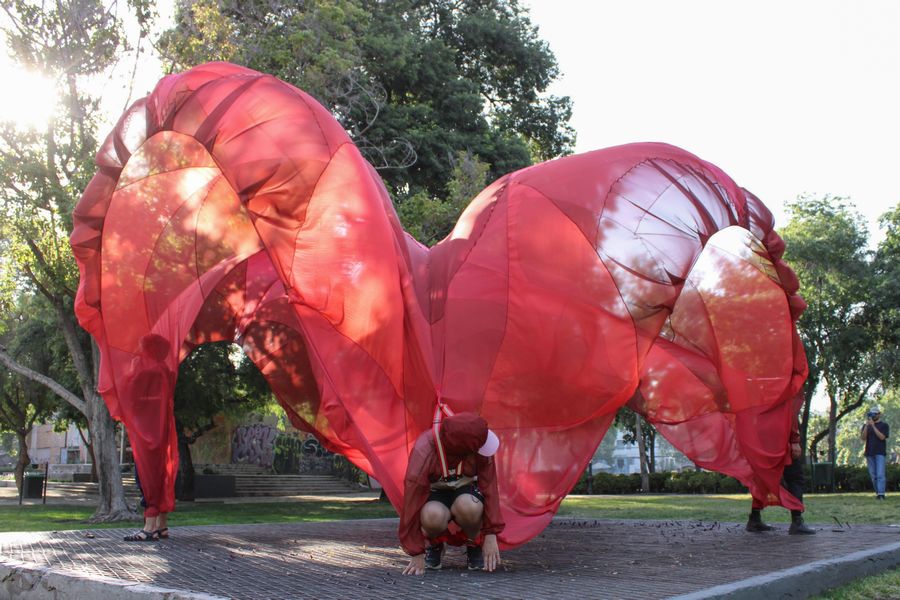
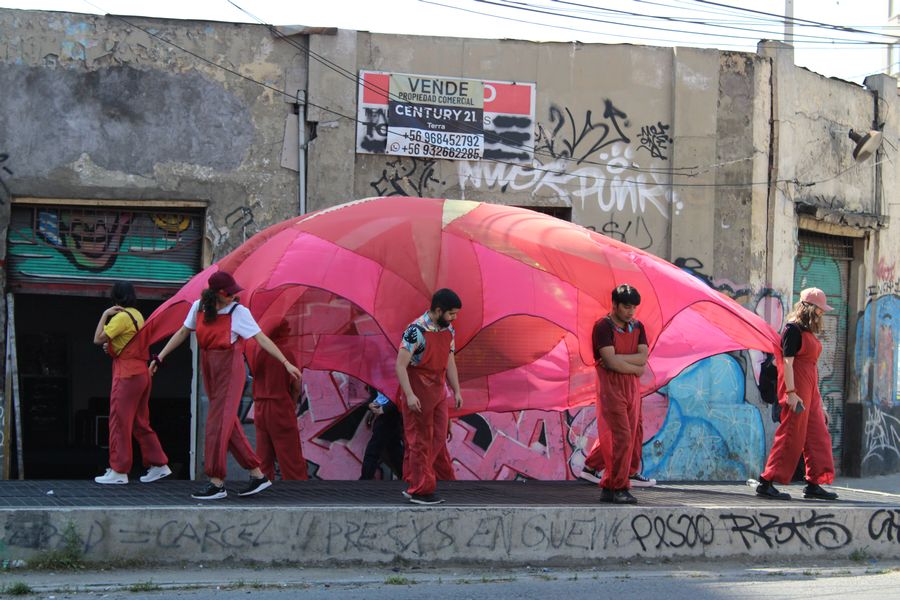
In 2023, in a city where less than half a century ago repression fell upon those defending essential human rights, Constanza Hermosilla Urra developed this project. Far from idealizing current human existence and its challenges, it highlights the collective presence of diverse sizes, races, and aesthetics through the use of the body, ephemerality, and textiles as a bonding element among participants.The work consists of a red fabric that only comes to life through the curiosity of those who dare to play and co-create it. So far, it has only been staged in Santiago, Chile. Soft Architecture invites us to find beauty in what we cannot control or overthink, to take things less seriously, and to act as a group; being an adult does not mean we should stop playing.
There is great merit when an artist opens up their creative processes and, to some extent, yields control of their work to others; they play with chance and place their trust in the viewer as a participant. These types of practices invite us to rethink our relationship with art and the role we play in its presence. In this context, we are called to get involved, make decisions, and share the responsibility for the work.
Given this, it is worth asking ourselves: Had we heard of these kinds of proposals before? Would we like to inhabit an art form that is built collectively and in the moment? And how willing are we to stop being spectators and become part of the work?
Sources:
Sybaris Fomento
MUAC
MoMA
Artishock
Museo Reina Sofía